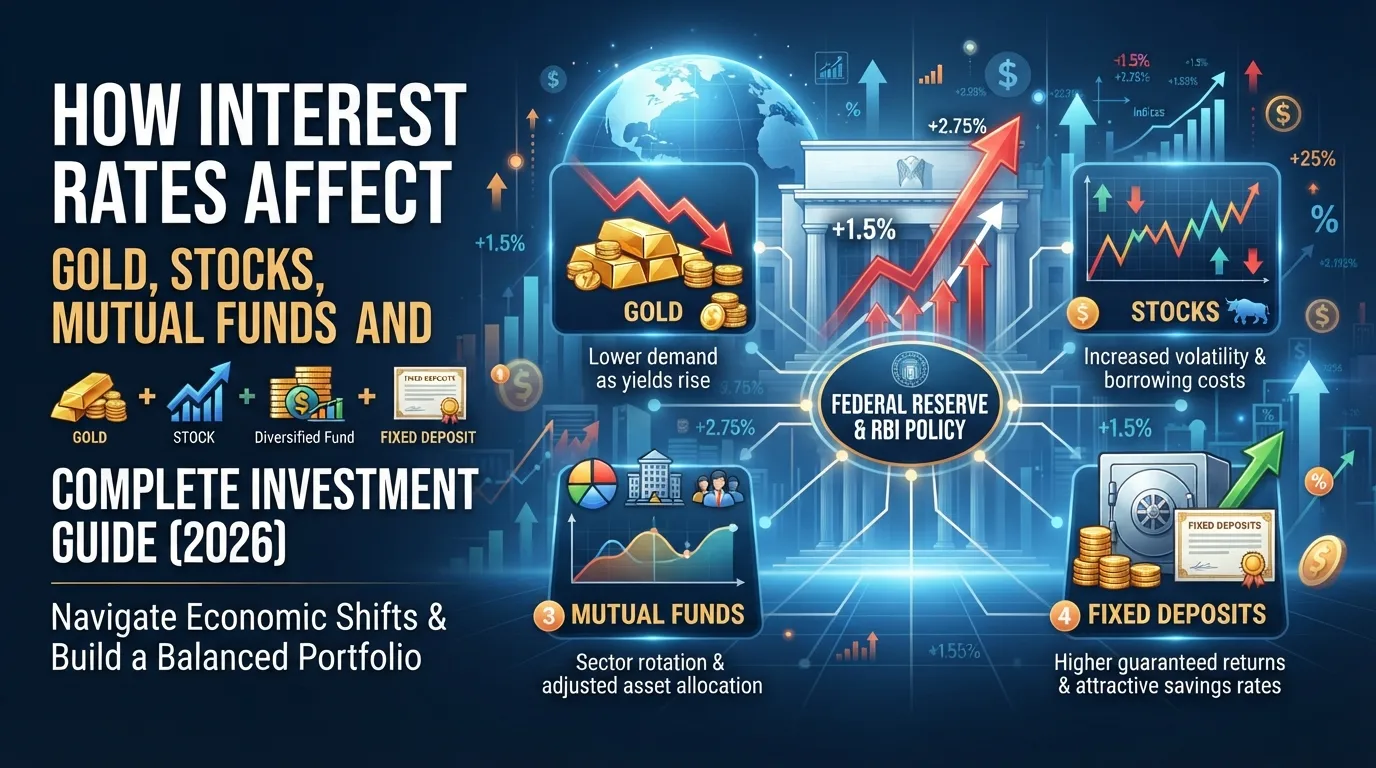
Best Investment Strategies in 2026: Stocks, Gold, Mutual Funds and Safe Portfolio Planning Guide
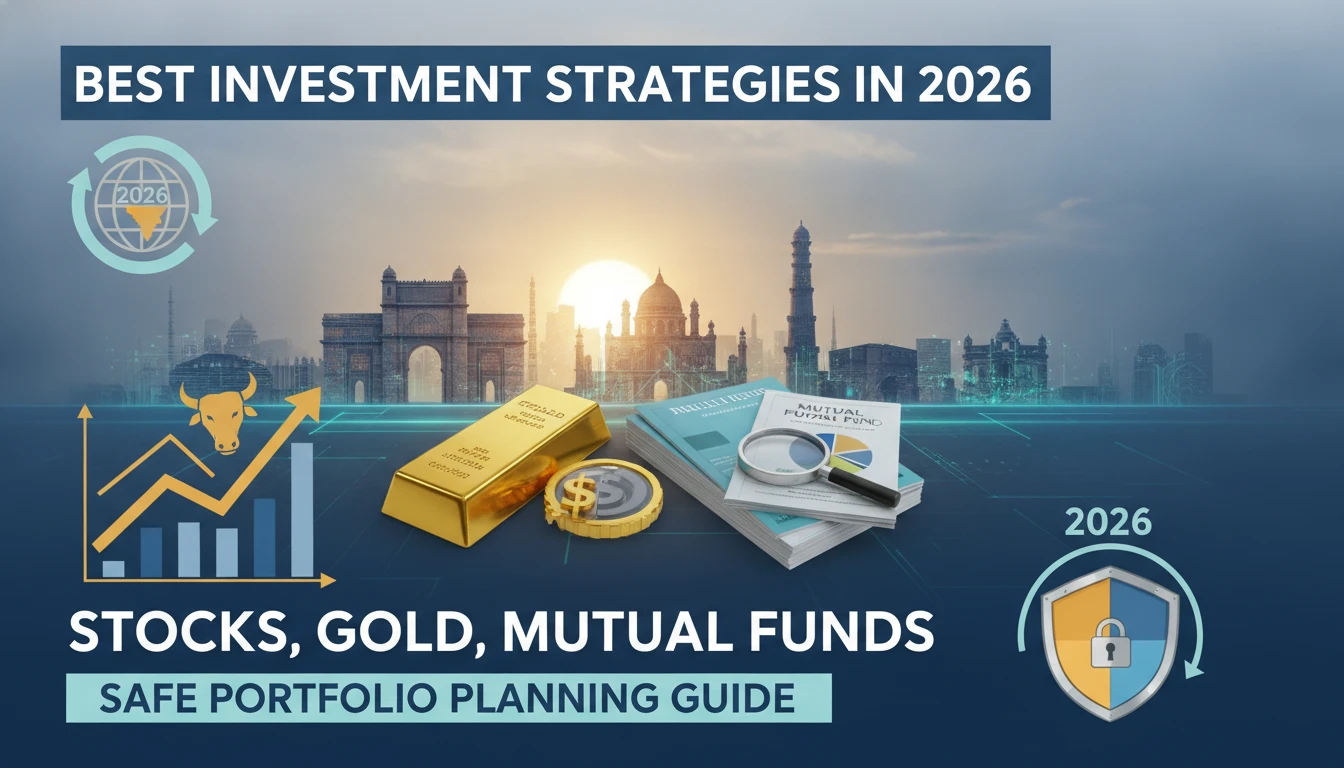
Explore the best investment strategies in 2026 including stocks, gold, mutual funds, and risk management techniques for building long-term wealth in India.
We publish educational market explainers so readers can connect daily price movement with long-term investing concepts, common risks, and decision-making basics.
Published by Metal Stock Rates and reviewed under our editorial standards on Thursday, June 25, 2026.
- Why Investment Planning Is Important
- Top Investment Options in 2026
- Understanding Portfolio Diversification
- Stocks vs Mutual Funds: Which Is Better?
- Role of Gold in Investment Portfolio
- Risk Management in Investing
Best Investment Strategies in 2026: Stocks, Gold, Mutual Funds and Safe Portfolio Planning Guide
Investing wisely is one of the most important financial decisions for building long-term wealth. In 2026, investors have more opportunities than ever before, including stock markets, precious metals, mutual funds, ETFs, and digital investment platforms. However, choosing the right strategy requires understanding risk, diversification, and financial goals.
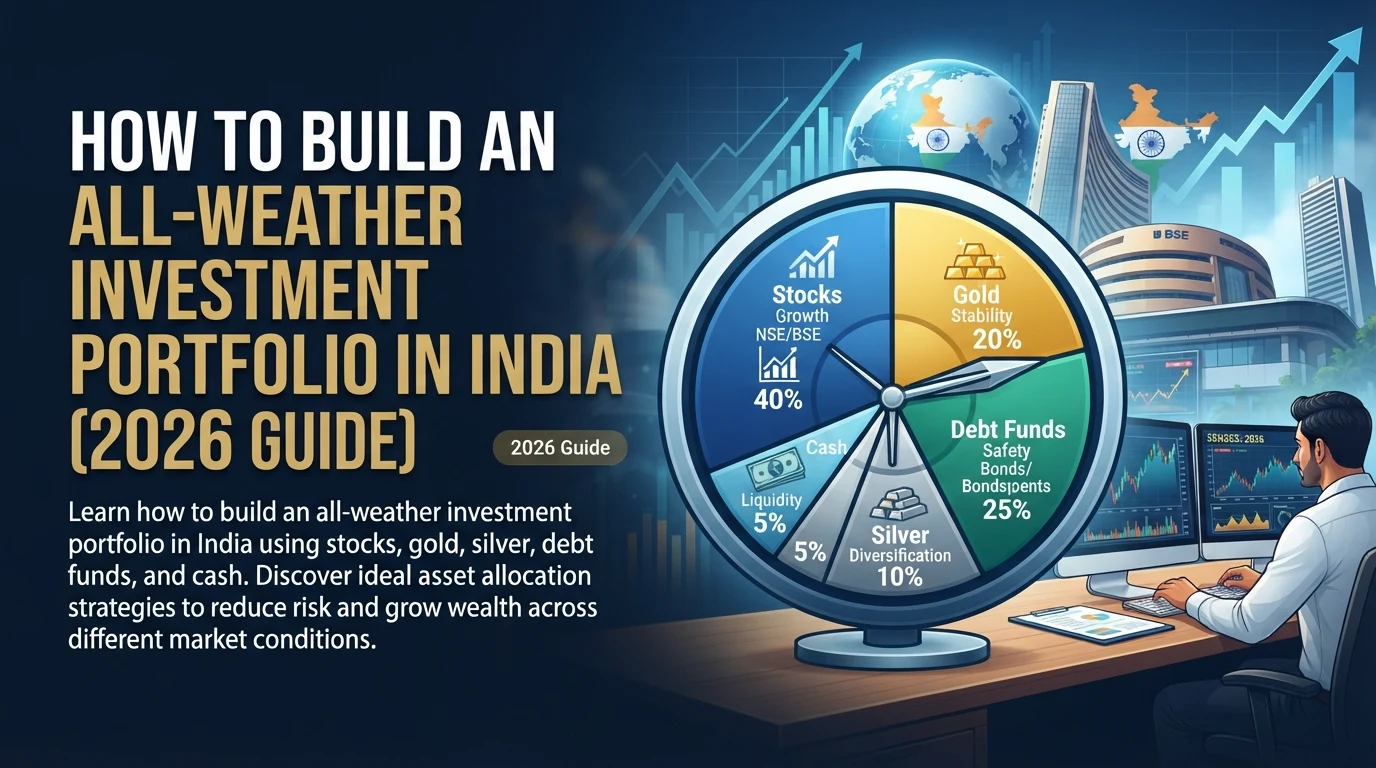
A successful investment portfolio is not about choosing a single asset but about balancing multiple asset classes to reduce risk and maximize returns over time.
Why Investment Planning Is Important
Financial planning helps individuals achieve long-term goals such as retirement, education, home purchase, and wealth creation. Without proper investment strategy, savings lose value due to inflation over time.
Inflation reduces purchasing power, which makes investing essential for financial growth and stability.
Top Investment Options in 2026
| Investment Type | Risk Level | Expected Returns |
|---|---|---|
| Stocks | High | High |
| Mutual Funds | Medium | Moderate to High |
| Gold | Low to Medium | Stable |
| Fixed Deposits | Low | Low |
| Real Estate | High | High (Long Term) |
Understanding Portfolio Diversification
Diversification is the process of spreading investments across multiple asset classes to reduce overall risk. A well-diversified portfolio ensures that losses in one asset class are balanced by gains in another.
For example, when stock markets are volatile, gold or bonds may provide stability to the portfolio.
Stocks vs Mutual Funds: Which Is Better?
Stocks offer higher returns but come with higher risk, while mutual funds provide professional management and diversification. Beginners often prefer mutual funds due to lower risk exposure.
| Feature | Stocks | Mutual Funds |
|---|---|---|
| Risk | High | Medium |
| Control | Full Control | Managed by Experts |
| Returns | High Potential | Stable Growth |
| Best For | Experienced Investors | Beginners |
Role of Gold in Investment Portfolio
Gold plays an important role in balancing investment portfolios. It acts as a hedge against inflation and market uncertainty. During economic downturns, gold often retains or increases its value, making it a safe asset.
Many financial advisors recommend keeping 10–20% of a portfolio in gold or gold-related instruments.
Risk Management in Investing
Every investment carries some level of risk. Understanding and managing risk is essential for long-term success. Investors should focus on time horizon, asset allocation, and market conditions.
- Avoid emotional investing decisions
- Maintain long-term investment horizon
- Rebalance portfolio periodically
- Diversify across multiple asset classes
- Invest only surplus funds
Best Investment Strategy for Beginners
Beginners should focus on simple and low-risk strategies such as SIPs (Systematic Investment Plans), index funds, and gold ETFs. These options provide stable growth with reduced volatility.
Consistency is more important than timing the market.
Long-Term Wealth Building Approach
Long-term investing focuses on compounding returns over time. Investors who stay invested for 10–20 years tend to achieve significantly higher returns compared to short-term traders.
Investor Insight: Time in the market is more important than timing the market.
Common Mistakes Investors Should Avoid
| Mistake | Impact |
|---|---|
| Investing without research | High losses |
| Ignoring diversification | Higher risk exposure |
| Panic selling | Missed recovery gains |
| Chasing quick profits | Unstable returns |
Future of Investing in India
India's investment landscape is rapidly evolving with digital platforms, increased financial literacy, and access to global markets. In the coming years, more individuals are expected to participate in equities, mutual funds, and commodity markets.
Technological advancements and fintech growth will continue to make investing more accessible and transparent.
Conclusion
Successful investing in 2026 requires a balanced approach that includes diversification, risk management, and long-term planning. By combining stocks, mutual funds, gold, and other asset classes, investors can build a strong and resilient financial portfolio for the future.
Topics Covered
Prepares educational explainers, updates evergreen market guides, and reviews site content for clarity, consistency, and reader usefulness.
For corrections, feedback, or source-quality concerns, visit our contact page or review our editorial policy.