Stock Market Volatility: Causes and Strategies
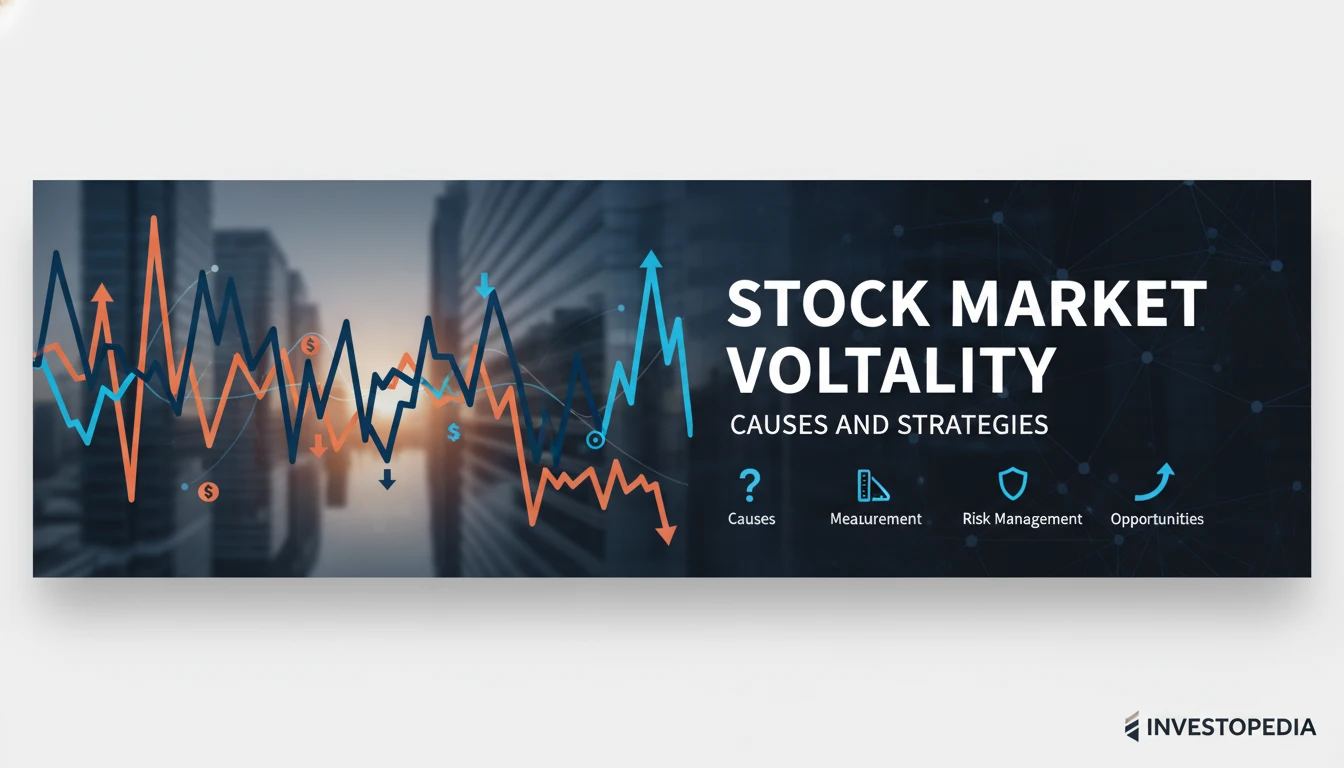
Comprehensive guide to understanding stock market volatility, its causes, measurement methods, and effective strategies for managing risk and capitalizing on opportunities.
We publish educational market explainers so readers can connect daily price movement with long-term investing concepts, common risks, and decision-making basics.
Published by Metal Stock Rates and reviewed under our editorial standards on Sunday, March 15, 2026.
- What is Stock Market Volatility?
- Types of Volatility
- Measuring Market Volatility
- Standard Deviation
- Beta Coefficient
- VIX Index
Stock Market Volatility: Causes, Measurement, and Risk Management Strategies
Stock market volatility is an inherent characteristic of financial markets that both challenges and creates opportunities for investors. Understanding volatility's causes, measurement methods, and management strategies is essential for successful investing. This comprehensive guide explores the nature of market volatility, its driving forces, and practical approaches to navigate turbulent market conditions while protecting and growing investment capital.
What is Stock Market Volatility?
Market volatility refers to the frequency and magnitude of price fluctuations in stock markets. It represents the market's tendency to experience rapid and significant price changes, both upward and downward. While volatility is often viewed negatively, it also creates buying opportunities and reflects the dynamic nature of free markets.
Types of Volatility
Historical volatility measures past price fluctuations, implied volatility reflects market expectations for future price movements, and realized volatility represents actual price changes over a specific period.
Measuring Market Volatility
Various metrics help investors quantify and understand market volatility.
Standard Deviation
Standard deviation measures the dispersion of returns around the mean. Higher standard deviation indicates greater volatility. For example, a stock with 20% annual standard deviation is more volatile than one with 10%.
Beta Coefficient
Beta measures a stock's volatility relative to the overall market. A beta of 1.0 indicates the stock moves with the market, while a beta above 1.0 suggests higher volatility.
VIX Index
The CBOE Volatility Index (VIX) measures market expectations for future volatility. Often called the "fear index," VIX rises during market stress and falls during calm periods.
Average True Range (ATR)
ATR measures the average range of price movement over a specified period, providing insight into a stock's typical daily volatility.
Primary Causes of Market Volatility
Market volatility stems from various economic, political, and psychological factors.
Economic Factors
Interest rate changes, inflation data, employment reports, and GDP growth figures significantly impact market volatility. Unexpected economic data often triggers rapid price movements.
Geopolitical Events
International conflicts, trade disputes, elections, and policy changes create uncertainty. Markets react strongly to events that could affect global trade and economic stability.
Corporate Events
Earnings reports, mergers and acquisitions, product launches, and management changes influence individual stock volatility and can spill over to broader market movements.
Market Psychology
Investor sentiment, fear, greed, and herd behavior amplify volatility. Panic selling during downturns and euphoric buying during rallies create exaggerated price swings.
Liquidity Conditions
Low liquidity periods, often during market stress or holidays, can lead to amplified volatility as large trades move prices more significantly.
Impact of Volatility on Investors
Understanding volatility's effects helps investors make better decisions.
Risk and Returns
Higher volatility generally corresponds with higher potential returns but also increased risk. Risk-averse investors may prefer stable, low-volatility investments.
Portfolio Performance
Volatile markets can test investor resolve. Short-term fluctuations may cause emotional decision-making that harms long-term performance.
Market Timing Challenges
Attempting to time market volatility often leads to poor results. Most investors underperform buy-and-hold strategies due to mistimed entries and exits.
Strategies for Managing Volatility
Effective volatility management requires a combination of strategies and discipline.
Asset Allocation
Diversifying across asset classes, sectors, and geographies reduces portfolio volatility. Including bonds, commodities, and alternative investments can stabilize returns.
Dollar-Cost Averaging
Investing fixed amounts regularly reduces the impact of market timing. This strategy performs well in volatile markets by buying more shares when prices are low.
Position Sizing
Limiting individual position sizes prevents any single investment from significantly impacting portfolio performance during volatile periods.
Stop-Loss Orders
Setting predetermined sell points limits downside risk. While not foolproof, stop-loss orders help automate risk management.
Options Strategies
Protective puts and collars can hedge portfolio risk during volatile periods. These strategies provide downside protection while allowing upside participation.
Capitalizing on Volatility
While volatility creates risks, it also presents opportunities for skilled investors.
Contrarian Investing
Buying when others are fearful and selling when others are greedy can lead to superior returns. This approach requires strong conviction and risk tolerance.
Volatility Arbitrage
Sophisticated investors can profit from volatility differences between related securities or derivatives.
Sector Rotation
Moving investments between sectors based on volatility patterns can enhance returns. Defensive sectors often perform better during high volatility.
Behavioral Finance and Volatility
Understanding psychological factors helps investors avoid common pitfalls.
Loss Aversion
Investors feel losses more acutely than equivalent gains, leading to risk-averse behavior during volatility that can harm long-term results.
Recency Bias
Recent market events heavily influence expectations. Volatile periods can create unrealistic assumptions about future market behavior.
Herd Mentality
Following the crowd during volatile periods often leads to buying highs and selling lows, reducing investment returns.
Long-term Perspective on Volatility
Maintaining a long-term view helps investors weather short-term volatility.
Historical Context
Markets have experienced numerous volatile periods throughout history, including the 1987 crash, 2000 dot-com bubble, and 2008 financial crisis. Markets have consistently recovered and reached new highs.
Compounding Benefits
Long-term investors benefit from volatility through dollar-cost averaging and the power of compounding. Short-term fluctuations become less significant over extended periods.
Market Efficiency
While markets are not perfectly efficient, they tend to price in available information over time. Attempting to predict short-term volatility is generally futile.
Institutional Approaches to Volatility
Large investors employ sophisticated strategies to manage volatility.
Risk Parity
Allocating capital based on risk contribution rather than dollar amounts ensures balanced portfolio volatility.
Dynamic Asset Allocation
Adjusting portfolio weights based on volatility forecasts and market conditions.
Alternative Investments
Including assets like commodities, real estate, and private equity that have low correlation with stocks.
Future of Market Volatility
Technological and regulatory changes may influence future volatility patterns.
Algorithmic Trading
High-frequency trading and algorithms can both increase and decrease volatility depending on market conditions.
Cryptocurrency Impact
The growing influence of cryptocurrencies may introduce new volatility patterns in traditional markets.
Regulatory Changes
New regulations on trading practices and market structure may affect volatility levels.
Conclusion
Stock market volatility is an inevitable aspect of investing that requires understanding, preparation, and disciplined strategies. While it creates uncertainty and risk, volatility also presents opportunities for those who approach it with knowledge and patience. By understanding volatility's causes, employing effective risk management techniques, and maintaining a long-term perspective, investors can navigate turbulent markets successfully. The key to successful investing in volatile markets lies not in avoiding volatility, but in embracing it as part of the investment process while protecting capital and positioning for long-term growth.
Topics Covered
Prepares educational explainers, updates evergreen market guides, and reviews site content for clarity, consistency, and reader usefulness.
For corrections, feedback, or source-quality concerns, visit our contact page or review our editorial policy.