Platinum Investment Guide for Beginners
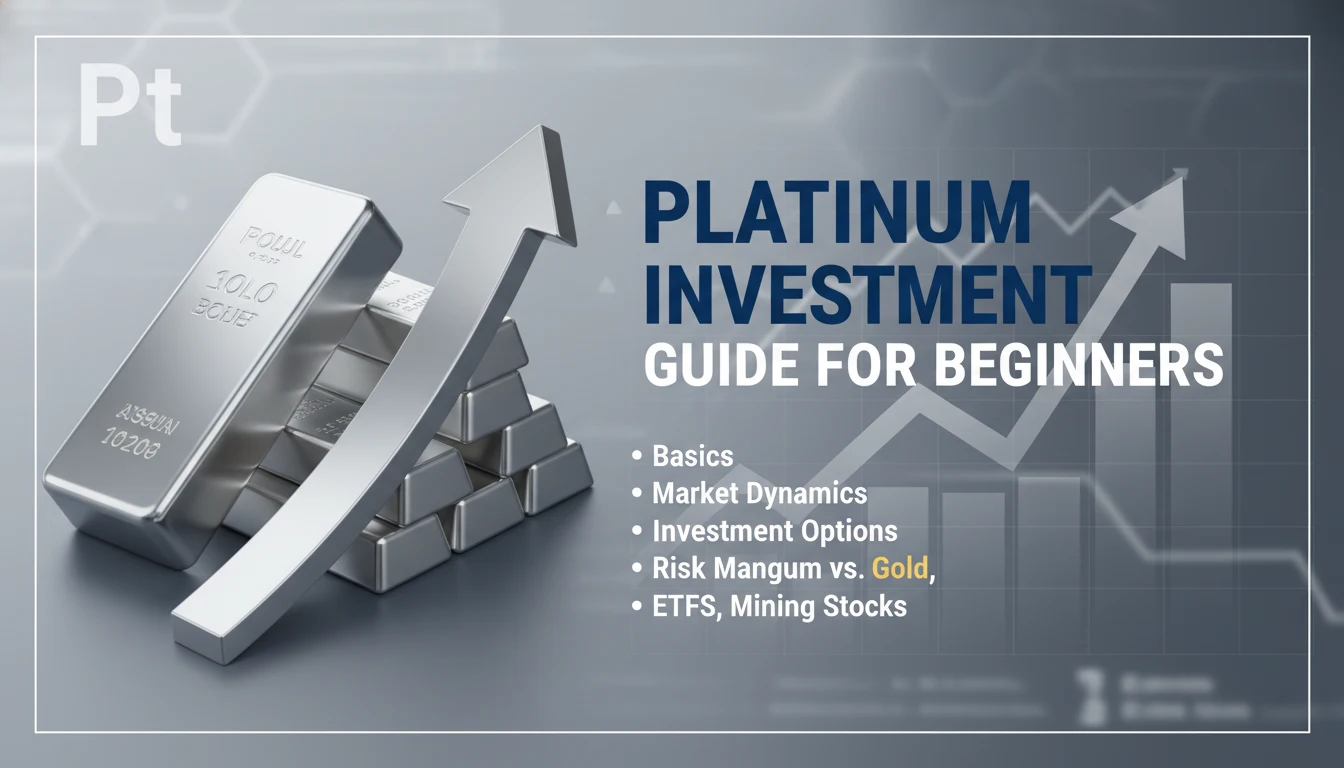
Complete beginner's guide to platinum investment, covering basics, market dynamics, investment options, and risk management strategies.
We publish educational market explainers so readers can connect daily price movement with long-term investing concepts, common risks, and decision-making basics.
Published by Metal Stock Rates and reviewed under our editorial standards on Wednesday, March 11, 2026.
- What is Platinum and Why Invest in It?
- Unique Properties of Platinum
- Industrial vs. Investment Demand
- Understanding Platinum Market Dynamics
- Supply Factors
- Demand Drivers
Platinum Investment Guide for Beginners: Everything You Need to Know
Platinum, often overshadowed by gold and silver, represents a unique and potentially lucrative investment opportunity. As one of the rarest precious metals, platinum offers investors exposure to industrial demand, limited supply, and potential for significant returns. This comprehensive guide is designed for beginners, providing essential knowledge about platinum investment, market dynamics, and practical strategies for building wealth through this precious metal.
What is Platinum and Why Invest in It?
Platinum is a dense, malleable, and highly valuable precious metal with the chemical symbol Pt. It is rarer than gold, with annual production of only about 150-200 tons compared to gold's 3,000 tons. Platinum's value stems from its scarcity, industrial applications, and status as a precious metal.
Unique Properties of Platinum
Platinum is known for its resistance to corrosion, high melting point, and catalytic properties. These characteristics make it indispensable in various industries, creating a dual demand structure that supports its price.
Industrial vs. Investment Demand
Unlike gold, which is primarily driven by investment demand, platinum's value is supported by both industrial use (about 50% of demand) and investment/inventory demand. This industrial backing provides additional price stability.
Understanding Platinum Market Dynamics
To make informed investment decisions, beginners need to understand the factors that influence platinum prices.
Supply Factors
Platinum is primarily mined in South Africa (about 70% of world supply), Russia, and Zimbabwe. Production is concentrated and vulnerable to geopolitical events, labor disputes, and mining accidents. The limited number of producing mines makes supply relatively inelastic.
Demand Drivers
Automotive industry accounts for about 40% of platinum demand, primarily for catalytic converters. Jewelry demand represents 30-35%, while other industrial uses include electronics, chemicals, and medical equipment. Investment demand fluctuates with market conditions.
Price Influencers
Platinum prices are affected by automotive sales, industrial production, currency fluctuations, and economic indicators. The metal often correlates with industrial metals like palladium but can also behave like precious metals during uncertainty.
Platinum vs. Other Precious Metals
Comparing platinum with gold, silver, and palladium helps investors understand its unique position.
Platinum vs. Gold
Platinum is rarer and more expensive than gold per ounce. While gold is primarily an investment asset, platinum has significant industrial demand. Platinum often shows higher volatility but can offer better returns during economic expansions.
Platinum vs. Silver
Platinum is much rarer and more valuable than silver. Silver has broader industrial applications, but platinum's catalytic properties make it irreplaceable in certain uses. Platinum tends to be less volatile than silver.
Platinum vs. Palladium
Both are used in automotive catalysts, but palladium is cheaper and more abundant. Palladium prices are more sensitive to automotive demand, while platinum has broader applications. The two metals often move in tandem but can diverge based on specific market conditions.
Investment Options for Platinum
Beginners have several ways to invest in platinum, each with different risk and liquidity profiles.
Physical Platinum
Investing in physical platinum involves purchasing coins, bars, or jewelry. This provides direct ownership but requires secure storage and insurance. Popular options include platinum coins from government mints like the American Platinum Eagle.
Platinum ETFs
Exchange-traded funds offer exposure to platinum without physical ownership. These funds hold platinum bullion and trade like stocks. Examples include the Aberdeen Standard Platinum ETF Trust (PPLT).
Platinum Mining Stocks
Investing in platinum mining companies provides leverage to platinum prices. Major producers include Anglo American Platinum, Impala Platinum, and Northam Platinum. Mining stocks offer higher potential returns but come with company-specific risks.
Platinum Futures and Options
Advanced investors can use futures contracts traded on commodities exchanges. These instruments allow speculation on price movements but require sophisticated understanding and carry high risk.
Getting Started with Platinum Investment
For beginners, a systematic approach ensures successful platinum investment.
Education and Research
Before investing, understand platinum's market dynamics, price drivers, and historical performance. Read financial news, follow industry reports, and study price charts.
Set Investment Goals
Determine your investment objectives, time horizon, and risk tolerance. Platinum can serve as a diversification tool, inflation hedge, or growth investment.
Start Small
Begin with a small allocation to platinum investments. This allows you to gain experience without significant risk to your overall portfolio.
Choose Reputable Platforms
Use established brokers, ETF providers, or dealers for platinum investments. Ensure they offer competitive pricing, secure storage (for physical metal), and good customer service.
Risk Management Strategies
Platinum investment carries risks that require careful management.
Diversification
Don't allocate too much of your portfolio to platinum. A typical allocation might be 5-10% for most investors, depending on risk tolerance.
Position Sizing
Limit individual investments to amounts you can afford to lose. Use position sizing techniques to manage risk exposure.
Stop Losses
Set predetermined exit points for your investments. This helps limit losses if platinum prices move against your position.
Long-term Perspective
Platinum investment is generally more suitable for long-term investors. Short-term price volatility can be significant, but long-term trends often favor patient investors.
Tax and Legal Considerations
Understanding tax implications is crucial for platinum investors.
Capital Gains Tax
Profits from platinum investments are typically subject to capital gains tax. Long-term holdings may qualify for lower tax rates. Consult a tax professional for specific advice.
Reporting Requirements
Some jurisdictions require reporting of precious metals transactions. Ensure compliance with local regulations.
Storage and Insurance
Physical platinum requires secure storage and insurance. Professional storage facilities offer peace of mind but add to costs.
Future Outlook for Platinum
The long-term prospects for platinum remain positive.
Growing Industrial Demand
Increasing automotive production, particularly electric vehicles with fuel cells, and growing industrial applications should support demand growth.
Supply Constraints
Limited new mine discoveries and challenges in major producing regions could constrain supply, supporting prices.
Investment Demand
As awareness grows, more investors may allocate to platinum for diversification, potentially increasing investment demand.
Common Mistakes to Avoid
Beginners often make avoidable mistakes in platinum investment.
Emotional Decision Making
Avoid buying based on fear or greed. Stick to your investment plan and avoid market timing.
Ignoring Costs
Factor in all costs including spreads, storage fees, and commissions when calculating potential returns.
Lack of Diversification
Don't put all your eggs in one basket. Platinum should be part of a diversified investment portfolio.
Inadequate Research
Never invest in what you don't understand. Thorough research is essential for successful investing.
Conclusion
Platinum offers beginners a unique opportunity to invest in a rare precious metal with strong industrial backing. While it carries higher volatility than some other precious metals, its scarcity and diverse demand drivers make it an attractive addition to a diversified portfolio. By starting small, conducting thorough research, and maintaining a long-term perspective, beginners can potentially benefit from platinum's growth potential. Remember that all investments carry risk, and platinum is no exception. Consider consulting with financial professionals to determine if platinum investment aligns with your overall financial goals and risk tolerance.
Topics Covered
Prepares educational explainers, updates evergreen market guides, and reviews site content for clarity, consistency, and reader usefulness.
For corrections, feedback, or source-quality concerns, visit our contact page or review our editorial policy.