How Inflation Impacts Metal Prices
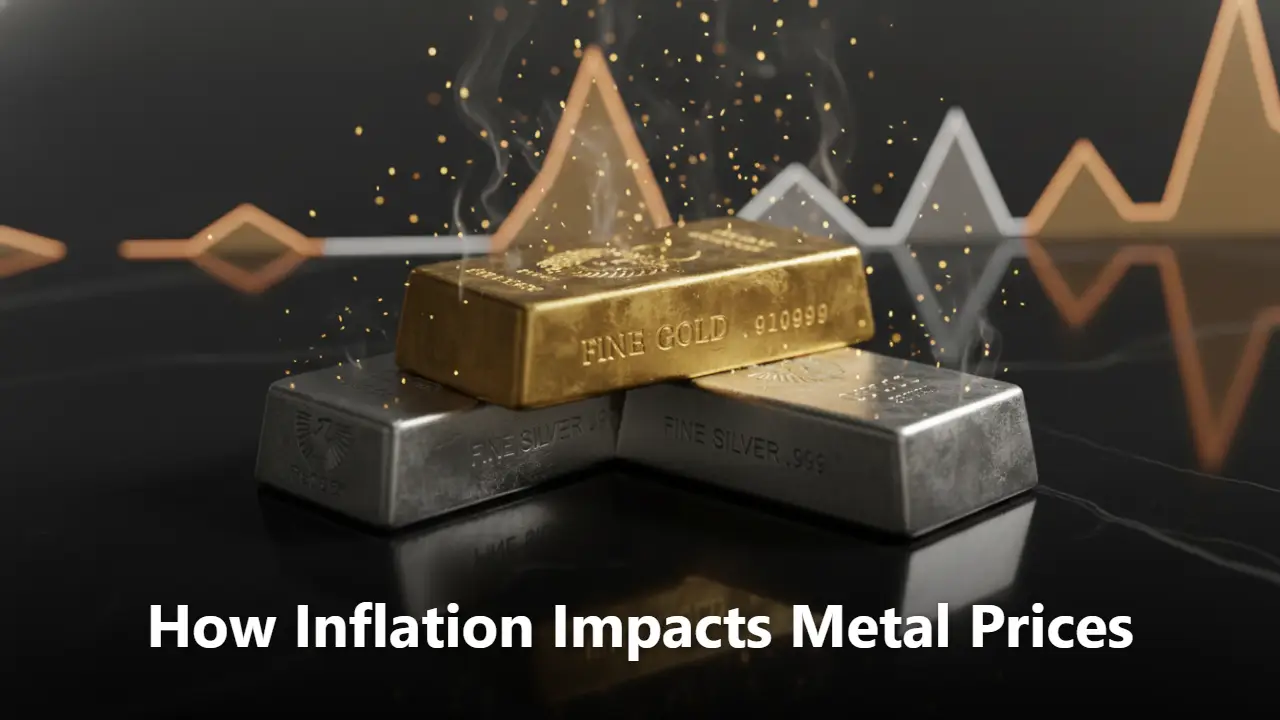
Understand how inflation affects gold, silver, and other metal prices and what it means for investors.
We publish educational market explainers so readers can connect daily price movement with long-term investing concepts, common risks, and decision-making basics.
Published by Metal Stock Rates and reviewed under our editorial standards on Tuesday, April 14, 2026.
- What is Inflation?
- Why Metals Perform Well During Inflation
- Impact on Different Metals
- Interest Rates and Metal Prices
- Investment Strategy During Inflation
How Inflation Impacts Metal Prices: A Complete Guide for Investors
Inflation plays a major role in shaping metal prices. As the cost of living increases, investors often turn to precious metals like gold and silver to protect their wealth. Understanding this relationship can help investors make smarter financial decisions.
What is Inflation?
Inflation refers to the rise in prices of goods and services over time. As inflation increases, the purchasing power of money decreases.
Why Metals Perform Well During Inflation
Precious metals are considered safe-haven assets. When inflation rises, investors move their money into metals to preserve value.
- Gold retains value over time
- Silver benefits from industrial demand
- Metals act as a hedge against currency depreciation
Impact on Different Metals
Gold usually performs best during high inflation, while silver and other metals may follow depending on industrial demand.
Interest Rates and Metal Prices
Rising interest rates can reduce metal prices because investors shift toward interest-bearing assets. However, during extreme inflation, metals still remain attractive.
Investment Strategy During Inflation
- Allocate part of your portfolio to gold
- Diversify with silver and other metals
- Track inflation trends regularly
In conclusion, inflation has a strong impact on metal prices. By understanding these trends, investors can protect their wealth and make better investment choices.
Topics Covered
Prepares educational explainers, updates evergreen market guides, and reviews site content for clarity, consistency, and reader usefulness.
For corrections, feedback, or source-quality concerns, visit our contact page or review our editorial policy.