Delhi EV Policy 2026 Sparks Rally in EV Stocks: What It Means for Ola Electric and India's Electric Vehicle Market
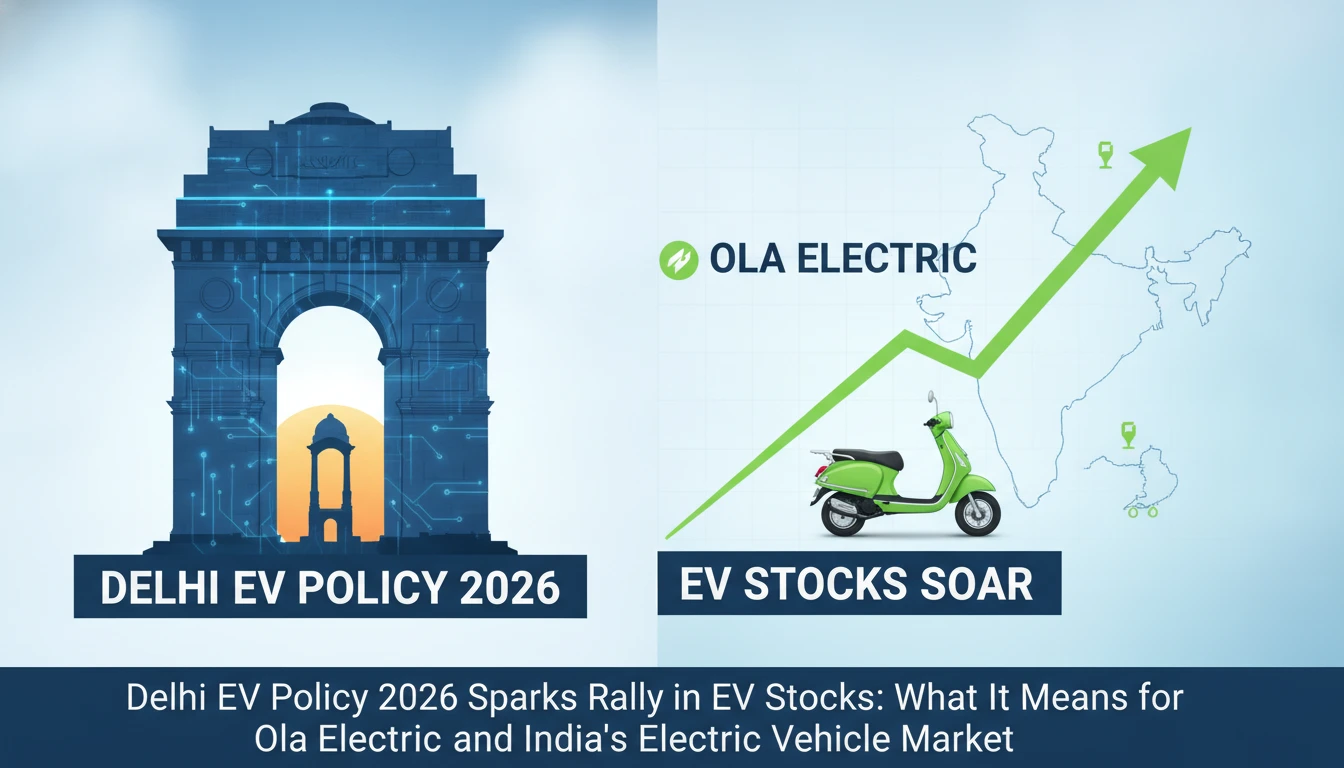
Delhi's new EV Policy has boosted investor confidence, sending Ola Electric shares sharply higher while strengthening the outlook for India's electric vehicle industry. Here's everything investors and consumers should know.
We publish educational market explainers so readers can connect daily price movement with long-term investing concepts, common risks, and decision-making basics.
Published by Metal Stock Rates and reviewed under our editorial standards on Tuesday, June 30, 2026.
- Why EV Stocks Reacted Positively
- Ola Electric Share Price Performance
- Major Highlights of Delhi EV Policy 2026
- Financial Incentives for Buyers
- Roadmap Towards Cleaner Transportation
- Impact on Consumers
Delhi EV Policy 2026 Sparks Rally in EV Stocks: What It Means for Ola Electric and India's Electric Vehicle Market
India's electric vehicle (EV) industry received a significant boost after the Delhi government approved its new Electric Vehicle Policy, a move aimed at accelerating clean mobility across the national capital. The announcement immediately lifted investor sentiment, with several EV-related stocks witnessing strong buying interest. Among the biggest beneficiaries was Ola Electric, whose shares surged nearly 10% during intraday trading as market participants anticipated stronger demand for electric two-wheelers.
The policy represents more than just financial incentives for vehicle buyers. It outlines a long-term strategy to reduce dependence on petrol and diesel vehicles while encouraging manufacturers, charging infrastructure providers, and consumers to embrace sustainable transportation. As one of India's largest automobile markets, Delhi's decisions often influence the broader EV ecosystem across the country.
Why EV Stocks Reacted Positively
Stock markets generally respond positively to policy measures that can improve future demand. The Delhi EV Policy introduces multiple consumer-friendly incentives that reduce the effective purchase price of electric vehicles while also creating a clear roadmap for future electrification. Investors believe these measures could increase vehicle sales, improve manufacturing volumes, and strengthen long-term revenue prospects for EV companies.
| Company | Market Reaction | Primary Business |
|---|---|---|
| Ola Electric | Strong rally, nearly 10% gain | Electric scooters and mobility solutions |
| Ather Energy | Positive buying interest | Premium electric two-wheelers |
| JBM Auto | Traded higher | Electric buses and automotive solutions |
| Tata Motors (Passenger EV) | Limited movement | Electric passenger vehicles |
Ola Electric Share Price Performance
Ola Electric emerged as one of the day's strongest performers. The stock opened higher than its previous closing price before witnessing strong buying throughout the trading session. Investors interpreted the new policy as a potential catalyst for higher scooter sales in one of India's most important urban markets.
The company's focus on affordable electric mobility aligns closely with the government's objective of encouraging widespread EV adoption. As purchase incentives improve affordability, manufacturers with strong production capabilities and expanding dealer networks may benefit from increased consumer demand.
| Share Price Indicator | Value |
|---|---|
| Previous Close | ₹40.38 |
| Opening Price | ₹40.58 |
| Intraday High | ₹44.95 |
| Intraday Gain | Nearly 10% |
Major Highlights of Delhi EV Policy 2026
The new policy combines financial benefits with long-term regulatory reforms designed to increase EV penetration across multiple vehicle categories.
| Policy Feature | Benefit |
|---|---|
| Road Tax Exemption | 100% exemption for eligible electric cars |
| Registration Fee | Complete waiver on qualifying EVs |
| Electric Two-Wheeler Subsidy | Financial assistance over three years |
| Future Registration Rules | Gradual shift toward EV-only registrations |
| Policy Start Date | July 1, 2026 |
Financial Incentives for Buyers
One of the most attractive aspects of the policy is the reduction in the overall cost of purchasing electric vehicles. Buyers of eligible electric cars priced up to ₹30 lakh can benefit from complete exemption from road tax and registration charges, making EV ownership considerably more affordable.
Electric scooter buyers will also receive phased financial support over the next three years. Higher incentives during the initial phase are expected to encourage faster adoption while supporting manufacturers during the industry's growth period.
| Year | Two-Wheeler Subsidy |
|---|---|
| Year 1 | ₹30,000 |
| Year 2 | ₹20,000 |
| Year 3 | ₹10,000 |
Roadmap Towards Cleaner Transportation
Beyond financial incentives, the policy introduces important regulatory milestones that gradually phase out conventional fuel-powered vehicles. From January 2027, only electric autorickshaws will be eligible for fresh registrations in Delhi. This marks a major transition in the city's public transportation ecosystem.
The electrification roadmap extends to two-wheelers as well. Beginning April 2028, registrations for new petrol and CNG-powered motorcycles and scooters will gradually give way to electric alternatives, reinforcing Delhi's commitment to reducing vehicle emissions.
Impact on Consumers
Consumers stand to gain through lower purchase costs, reduced running expenses, and growing charging infrastructure. Electric vehicles typically have lower maintenance requirements compared to conventional internal combustion engine vehicles. Combined with government incentives, the overall cost of ownership becomes increasingly attractive for urban commuters.
The policy also provides greater confidence for buyers who were previously hesitant about making the transition. Clear government support sends a positive signal regarding future infrastructure development and long-term commitment to electric mobility.
Opportunities for EV Manufacturers
Manufacturers are expected to benefit from expanding demand as policy incentives encourage first-time EV buyers. Companies may accelerate investments in production capacity, battery technology, service networks, and charging partnerships. Increased competition could also lead to improved product quality and more affordable pricing across vehicle categories.
For companies focused on electric scooters, Delhi represents an important market because of its dense population, high daily commuting requirements, and increasing environmental awareness.
Challenges Ahead
Despite strong policy support, several challenges remain. Charging infrastructure must expand rapidly to support growing vehicle numbers. Battery costs, raw material availability, recycling systems, and electricity distribution will continue to influence the pace of EV adoption. Manufacturers must also maintain product quality and after-sales service to build long-term consumer confidence.
Investors should remember that while supportive government policies create growth opportunities, stock prices remain influenced by broader market conditions, company performance, profitability, competition, and execution capabilities.
Outlook for India's EV Industry
Delhi's latest EV Policy strengthens India's broader transition toward sustainable transportation. As more states introduce similar incentives and regulatory reforms, electric mobility is expected to become an increasingly important segment of the automotive industry. Companies that successfully expand manufacturing capacity, improve battery technology, and build strong customer support networks may be well-positioned for long-term growth.
The immediate rally in EV-related stocks reflects market optimism, but the policy's true impact will become clearer over the coming years as vehicle adoption increases and infrastructure continues to develop. For consumers, the policy makes electric vehicles more affordable. For manufacturers, it creates opportunities for expansion. For investors, it highlights the growing importance of India's clean mobility sector.
Conclusion
The Delhi EV Policy 2026 marks another significant milestone in India's clean transportation journey. Financial incentives, tax exemptions, and a structured roadmap for electrification have boosted confidence among consumers, manufacturers, and investors alike. Ola Electric's sharp share price rally demonstrates how policy announcements can immediately influence market sentiment. While challenges such as charging infrastructure and battery costs remain, the long-term outlook for India's electric vehicle industry appears increasingly positive as government support continues to strengthen sustainable mobility initiatives.
Topics Covered
Prepares educational explainers, updates evergreen market guides, and reviews site content for clarity, consistency, and reader usefulness.
For corrections, feedback, or source-quality concerns, visit our contact page or review our editorial policy.